

5 Minutes
A pill that can find and quiet a cancer’s genetic engine — it sounds like a line from a medical drama, but researchers at the University of Virginia have moved this idea closer to the lab bench. Their team has discovered a small molecule that appears to shut down a gene glioblastoma cells rely on, while leaving normal brain tissue largely untouched. The result is a rare glimpse of precision in a disease known for its evasiveness.
Hui Li, PhD, led the study that identified the vulnerable target: an oncogene called AVIL. Normally tasked with helping cells preserve shape and structure, AVIL can be hijacked into overdrive in tumor cells. When that happens, the gene fuels rapid growth and invasive behavior—the exact traits that make glioblastoma so lethal. In laboratory cultures and in mice, the newly reported compound tamped down AVIL’s activity and slowed tumor progression without producing obvious toxic effects.
How the target was found and why it matters
Finding a gene that a cancer depends on is one thing; hitting it with a drug is another. Li’s team first established AVIL as a shared dependency across multiple glioblastoma samples, showing the protein it encodes is rare in healthy brain but abundant in tumors. That differential expression makes AVIL an attractive target: block it, and the tumor struggles; spare it, and normal tissue is less likely to suffer.
To search for a blocker, researchers used high-throughput screening, a method that lets scientists test thousands of chemical candidates quickly. The winning compound emerged from that funnel and showed two crucial properties in preliminary tests. First, it crossed the blood-brain barrier — a physiological shield that stops most drugs from reaching the central nervous system. Second, it worked when administered in ways compatible with patient treatment, including potential oral dosing. In mouse models, treated animals experienced tumor suppression with no clear signs of systemic harm.
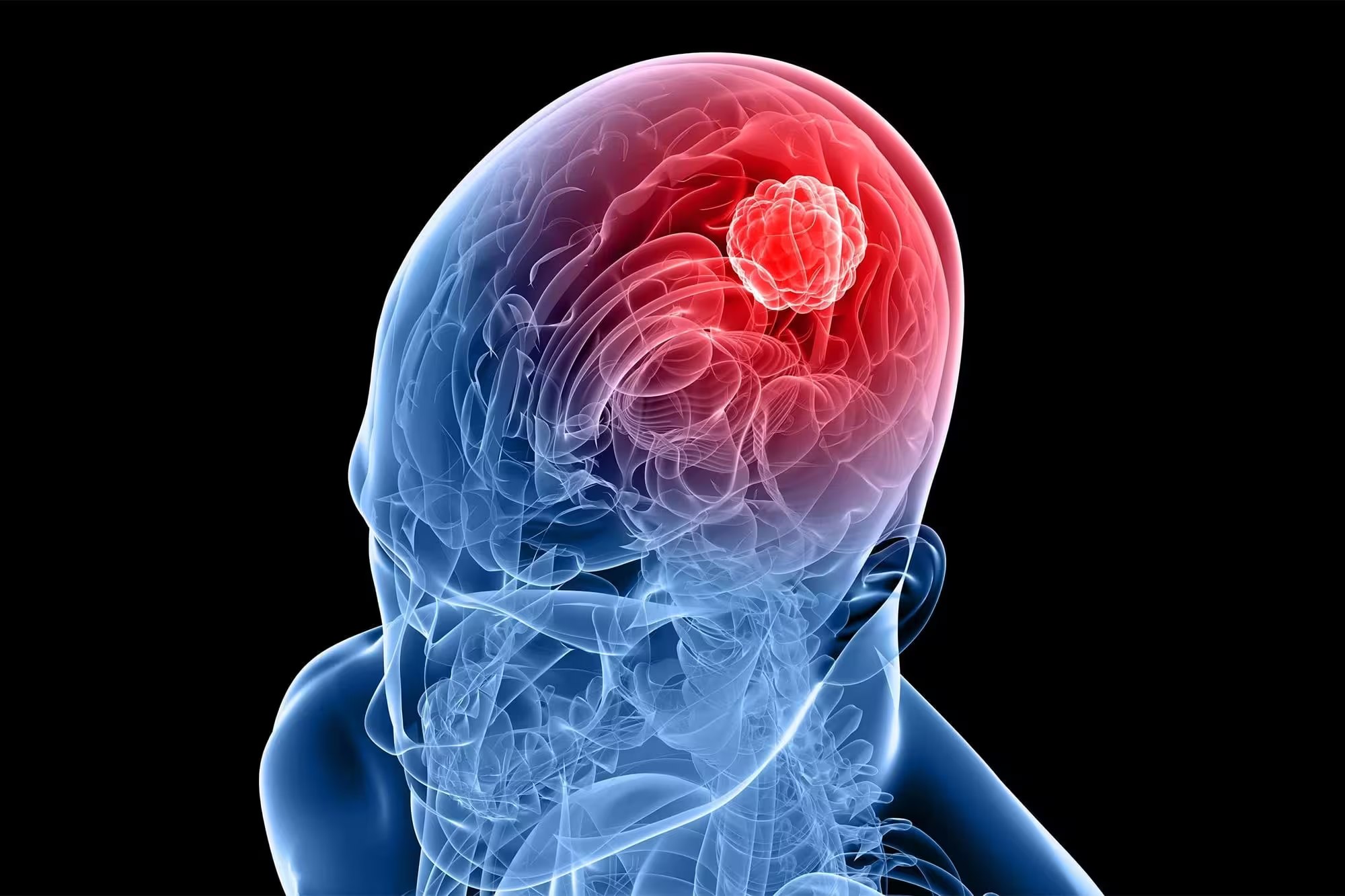
The implications are practical as well as scientific. Glioblastoma does not form tidy masses that surgeons can remove; it infiltrates healthy tissue like ink in water. That invasive pattern means therapies must either find scattered cancer cells or attack molecular dependencies those cells share. Targeting AVIL is an example of the latter strategy: go after what cancer cells need to survive rather than where they happen to be.
What the experiments showed — and what comes next

In cell-based assays, blocking AVIL triggered tumor cell death and halted growth. In animal studies, the compound slowed tumor expansion without obvious damage to the surrounding brain. Those are encouraging signals, but the path from lab demonstration to approved drug is long. Optimization is required: the molecule must be refined for potency, stability, and safety in humans. Then come formal toxicology studies, dose-finding work, and phased clinical trials before any regulatory body will consider approval.
Researchers are candid about the timeline. This is an early-stage discovery, not a finished therapy. Yet the strategy is notable because it targets a core vulnerability rather than attempting incremental improvements to existing chemotherapy or radiation. If the AVIL pathway can be exploited with a safe drug, it would represent a new mechanism of action in a field that has seen few breakthroughs in decades.
This molecule does not promise an immediate cure, but it does point to a realistic route for therapies that specifically dismantle glioblastoma’s survival machinery.
Expert Insight
“The hardest part about glioblastoma is its stealth,” says Dr. Maya Fernandez, a fictional neuro-oncologist familiar with molecular drug development. “You can remove visible tumor and still leave behind cells that will seed regrowth. Targeted approaches like AVIL inhibition are attractive because they aim at a weakness intrinsic to the cancer’s biology. That said, translating a lab hit into a drug that behaves safely in patients is a complex, years-long process.”
Dr. Fernandez’s point captures both the promise and the practicalities. Drug candidates that cross the blood-brain barrier and show selective tumor activity are rare. But rarity is not the same as inevitability. Each step—from medicinal chemistry to multi-center clinical trials—carries risks and costs. Still, should this line of research succeed, it would expand the therapeutic vocabulary for a disease that has been frustratingly resistant to progress.
Beyond AVIL itself, the work highlights broader tools and trends in cancer research: high-throughput screening to surface leads, genetically informed target selection, and preclinical models that prioritize brain-penetrant agents. Together, these elements form a pipeline oriented around precision: identify what tumors uniquely depend on, then design molecules that exploit that dependency.
For patients and clinicians, the immediate takeaway is cautious optimism. This discovery does not replace existing standards of care, nor does it guarantee a new drug on the market tomorrow. It does, however, offer a concrete hypothesis and an early compound that could, with time and rigorous testing, become part of a more effective arsenal against glioblastoma.
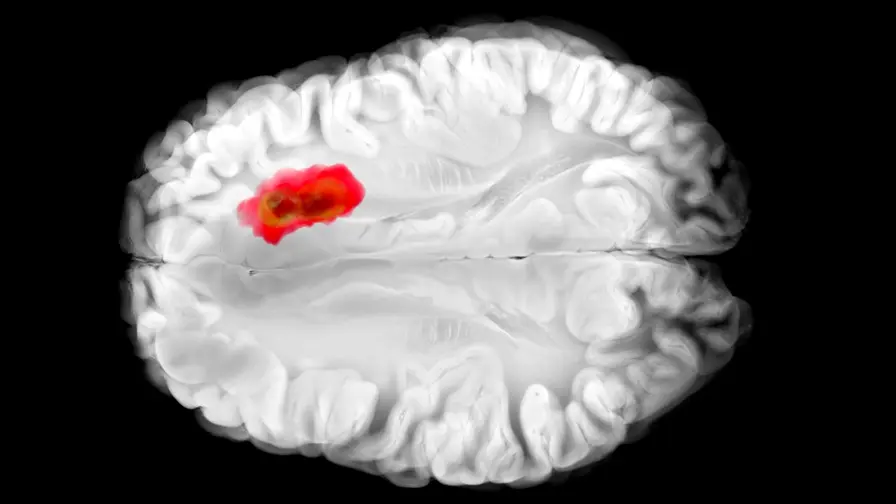
The research team continues to refine the molecule, test safety profiles, and plan the long process toward clinical evaluation — driven by the urgent need for treatments that extend life and preserve the functions that make life meaningful.













Leave a Comment
Comments (2)
Promising in mice, sure. But is this even true in humans? BBB in mice is easier, many drugs fail later. Fingers crossed, still very skeptical, tbh.
Wow this actually gives me goosebumps. If a pill can silence AVIL and spare normal brain cells, that could be a gamechanger... but ok, long road ahead, pls hurry