
4 Minutes
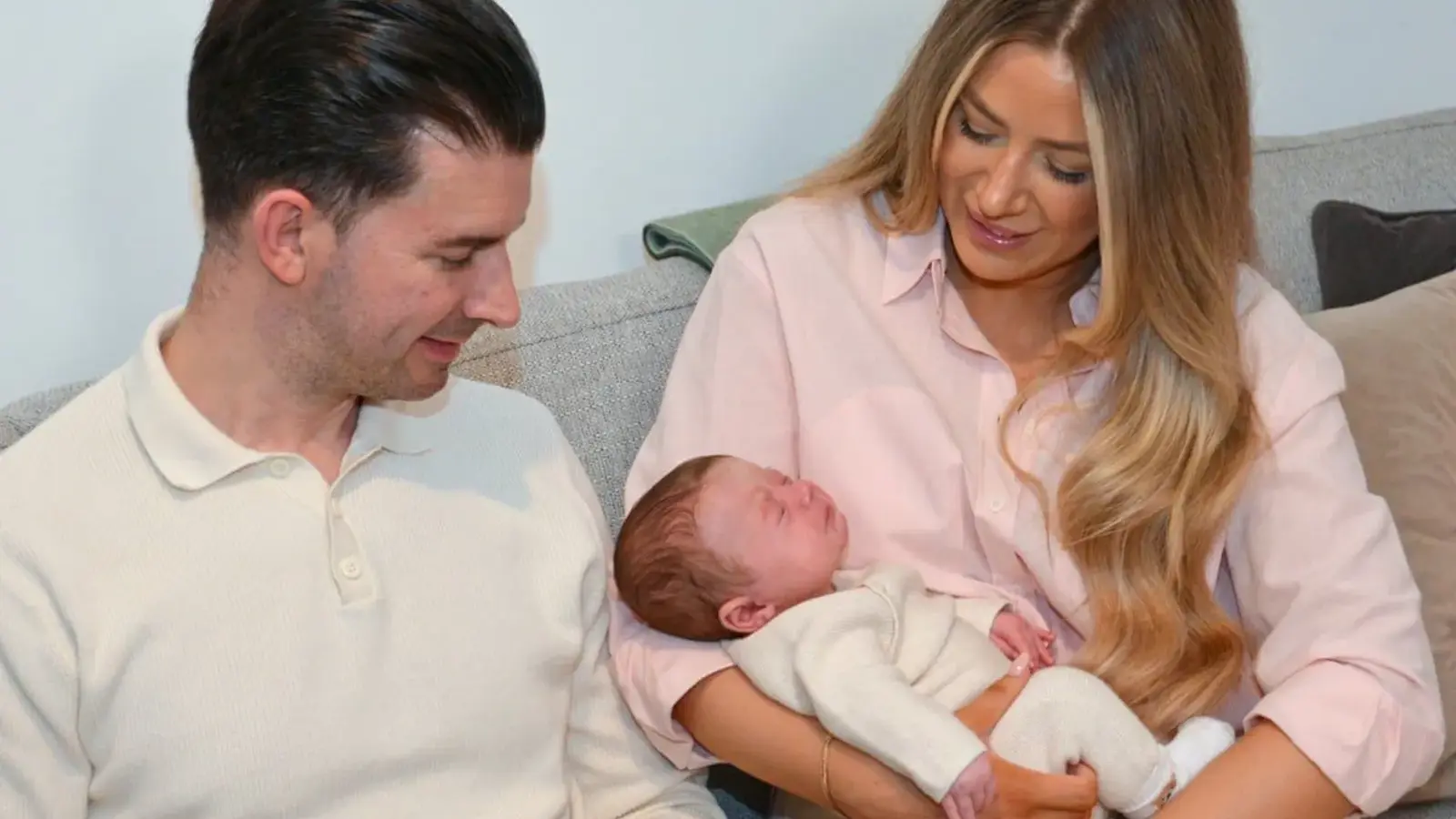
She was told as a teenager that pregnancy would be impossible. Now, Grace Bell cradles a son named Hugo and calls his arrival a miracle — because Hugo is the first baby in the United Kingdom born to a mother who received a uterus transplanted from a deceased donor.
Medical context and how the transplant worked
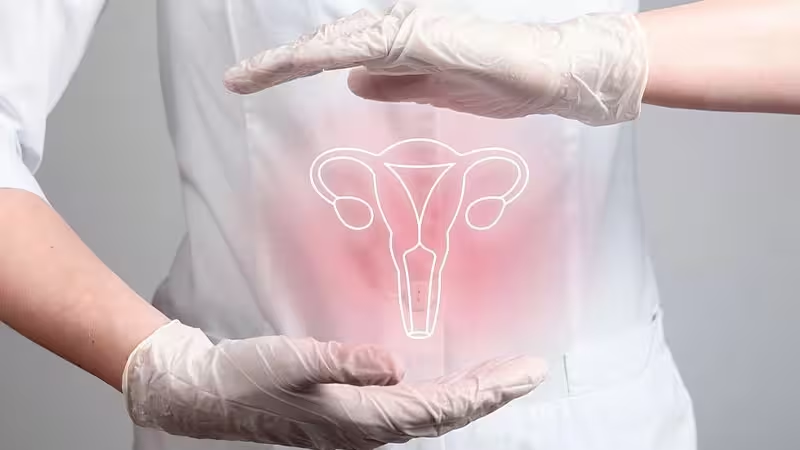
Grace was born with Mayer–Rokitansky–Küster–Hauser syndrome (MRKH), a congenital condition in which the uterus is absent or underdeveloped. For decades, the only realistic path to parenthood for people with MRKH was surrogacy or adoption. Uterus transplantation has changed that calculus, offering a route to carry a pregnancy in the recipient's own body.
The transplant operation took place in 2024 at Queen Charlotte and Chelsea Hospital in London. Months later, following assisted reproductive procedures and careful monitoring, Grace carried and delivered a healthy baby boy, Hugo Paul, weighing 3.09 kg. His middle name, Richard, honors Professor Richard Smith, the clinical director of the UK uterus transplant charity and the lead surgeon who was present at the birth.
Unlike many organ transplants intended as lifelong replacements, a uterus transplant is purpose-driven: the organ is implanted to allow pregnancy and is typically removed after the recipient has completed childbearing. That approach avoids prolonged use of potent immunosuppressant drugs, which carry long-term risks to health. According to the clinical team, once Grace and her family decide they are finished having children, the transplanted uterus will be taken out under planned surgery.
There are two donor pathways for uterine grafts. Historically, most successful births have come from living donors, often relatives. Globally, roughly two-thirds of uterus transplants have used living donors and about one-third from deceased donors. To date, around 25–30 babies worldwide have been born following uterus transplants from deceased donors — small numbers, but steadily rising as surgical technique and post-operative care improve.
Ethical, legal and societal implications

The case highlights two practical and ethical questions that shape transplant programs. First: consent. Uterus donation is not covered automatically by standard organ donation consent. Families of deceased donors must give specific, separate permission for the uterus to be offered for transplant. That extra step is legally and ethically meaningful because the uterus carries cultural, reproductive and identity significance beyond most other organs.
Second: allocation and benefit. In this instance, organs from the same deceased donor saved or improved the lives of multiple recipients. Five organs were allocated to four other patients, demonstrating how a single donor can create a broad ripple of benefit. The donor family, publicly mourning their loss, described the decision to donate as a gift of time, hope and life to others — a legacy that redefined grief through acts of generosity.
There are medical trade-offs as well. Recipients must accept a temporary period of immunosuppression after transplantation to prevent rejection, with its attendant risks. Surgical teams weigh these risks against the psychological and social benefits of enabling gestation. For many people with MRKH, the ability to carry a child addresses a deeply felt desire tied to bodily integrity and parenthood.
This birth is not just a clinical milestone; it reframes what organ donation can enable and opens new conversations about reproductive medicine and consent.
Expert Insight
“The technical challenge of vascularizing and supporting a donated uterus is considerable, but the bigger test is integrating surgical success with ethical practice,” says Dr. Emily Carter, a fictional but realistically described reproductive surgeon and researcher familiar with uterine transplantation programs. “When a deceased-donor uterus leads to a healthy birth, it validates years of multidisciplinary work — from microsurgery and fertility treatment to neonatal care and bereavement support for donor families.”
Dr. Carter notes that continued reporting of outcomes, transparent consent practices and equitable access to fertility services will determine whether uterus transplantation becomes a routine option or remains a specialized intervention for a limited number of patients.

For Grace and her partner, Steve Paul, the gratitude is simple and human. They named their son in honor of a surgeon and repeatedly voiced thanks to the anonymous donor and her family. The moment underscores an often-overlooked truth in transplant medicine: breakthroughs are as much social achievements as they are surgical ones. When science, law and personal generosity align, they can change individual lives — and how a society understands what parenthood can look like.

Leave a Comment
Comments (2)
Incredible outcome, but is the consent system ready for this? Who gets access, how much will it cost, and what about long term immunosuppression risks? idk
Wow, didn't expect to cry reading this. The mix of science, grief and generosity is overwhelming. Miracle yes, but also a huge ethical puzzle...