

You probably have a bottle of calcium or vitamin D on a shelf somewhere. It feels like insurance: small pills promising stronger bones and fewer broken hips as we age. But a sweeping new review calls that reassurance into question.
Researchers pooled data from 69 clinical trials involving more than 154,000 adults worldwide to answer a blunt, practical question: do calcium supplements, vitamin D supplements, or the two together actually cut the risk of fractures and falls? The short answer is: not in any meaningful way for most people living independently.
Taken on their own, calcium and vitamin D showed little to no effect. Trials with tens of thousands of participants found virtually no difference in fracture risk between people taking vitamin D and those taking nothing. Calcium alone performed no better. The headline may surprise anyone who has long equated these nutrients with obvious protection against brittle bones.
Combine them, and the numbers look slightly rosier at first glance. The review found a small reduction in some fracture types when calcium and vitamin D were given together. But the change was tiny. Across the studies, combined supplements translated to roughly one fewer fracture per 100 people. Hip fractures — the injuries that most threaten independence in older adults — were reduced by about three cases per 1,000 people.

Those gains are so modest the authors judged them unlikely to be clinically meaningful for most community-dwelling adults. In plain language: a statistical blip on paper, not a life-changing intervention in the real world.
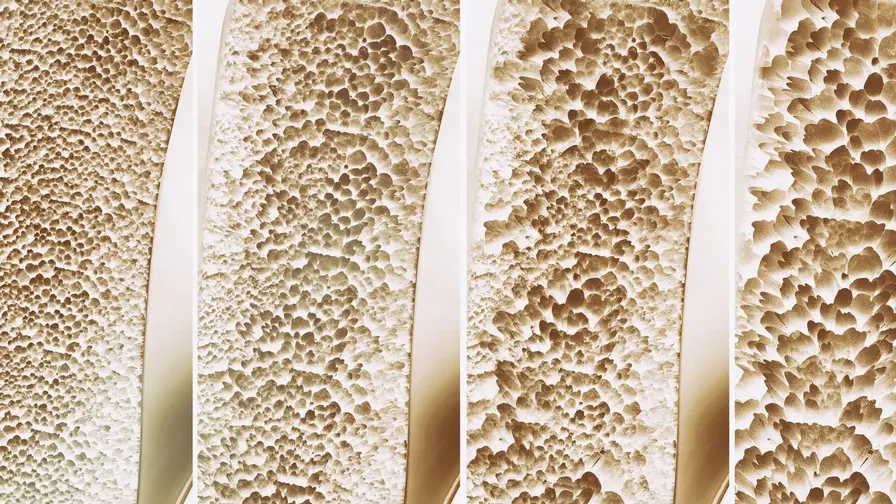
The distinction matters because falls and fractures are not abstract events. About one in three people aged 65 and older has at least one fall each year. Falls can precipitate broken bones, hospital stays, loss of autonomy, and a cascade of health problems. It’s no wonder families and clinicians reach for any plausible preventive measure. But this analysis suggests the pill bottle is rarely the right one.
The review also raises uncomfortable questions about how supplements are prescribed and recommended. Despite mounting uncertainty, calcium and vitamin D remain widely dispensed in many countries. In the UK, for instance, spending on vitamin D prescriptions has climbed markedly over the last two decades, even as evidence about routine benefit has become shakier.
That does not mean calcium and vitamin D are irrelevant. Both nutrients are essential for bone and muscle biology. People with diagnosed osteoporosis, proven vitamin D deficiency, malabsorption syndromes, or other specific medical conditions can still gain important benefits from supplementation as part of targeted medical care. The new findings are most applicable to the general adult population who live independently and do not have severe deficiency or established bone disease.
So if pills aren’t the panacea, what should people do? The strongest, most consistent evidence points away from the medicine cabinet and toward movement: regular physical activity, especially weight-bearing and resistance exercises, builds and preserves bone strength. Walking helps. Strength training helps better. Balance work and activities like tai chi lower fall risk by improving stability and coordination. Diet matters too — adequate protein, calcium from food sources, and vitamin D obtained through safe sun exposure or measured supplementation when deficient.
Practical, everyday measures matter as well. Remove tripping hazards at home. Improve lighting. Review medications that might cause dizziness. Wear sensible shoes. These small, mundane steps often do more to prevent the cascade that leads from a misstep to a hospital visit than a daily supplement ever will.
The takeaway for clinicians and the public should be pragmatic. Reserve supplements for people with clear medical indications: documented deficiency, osteoporosis, or conditions that limit nutrient absorption. For everyone else, prioritize exercise, nutrition, and fall-prevention strategies that demonstrably reduce risk.
Evidence changes how we act. And sometimes that means letting go of a comforting habit in favor of interventions that actually keep people on their feet.

Leave a Comment
Comments (2)
Wow didn't expect that. Kinda relieved tho, been pushing pills on my dad. Time to focus on walks and balance classes instead lol
Wait so decades of taking D and calcium might be mostly habit not help? sounds shady, need more targeted guidance. also exercise > pills, right