
2 Minutes
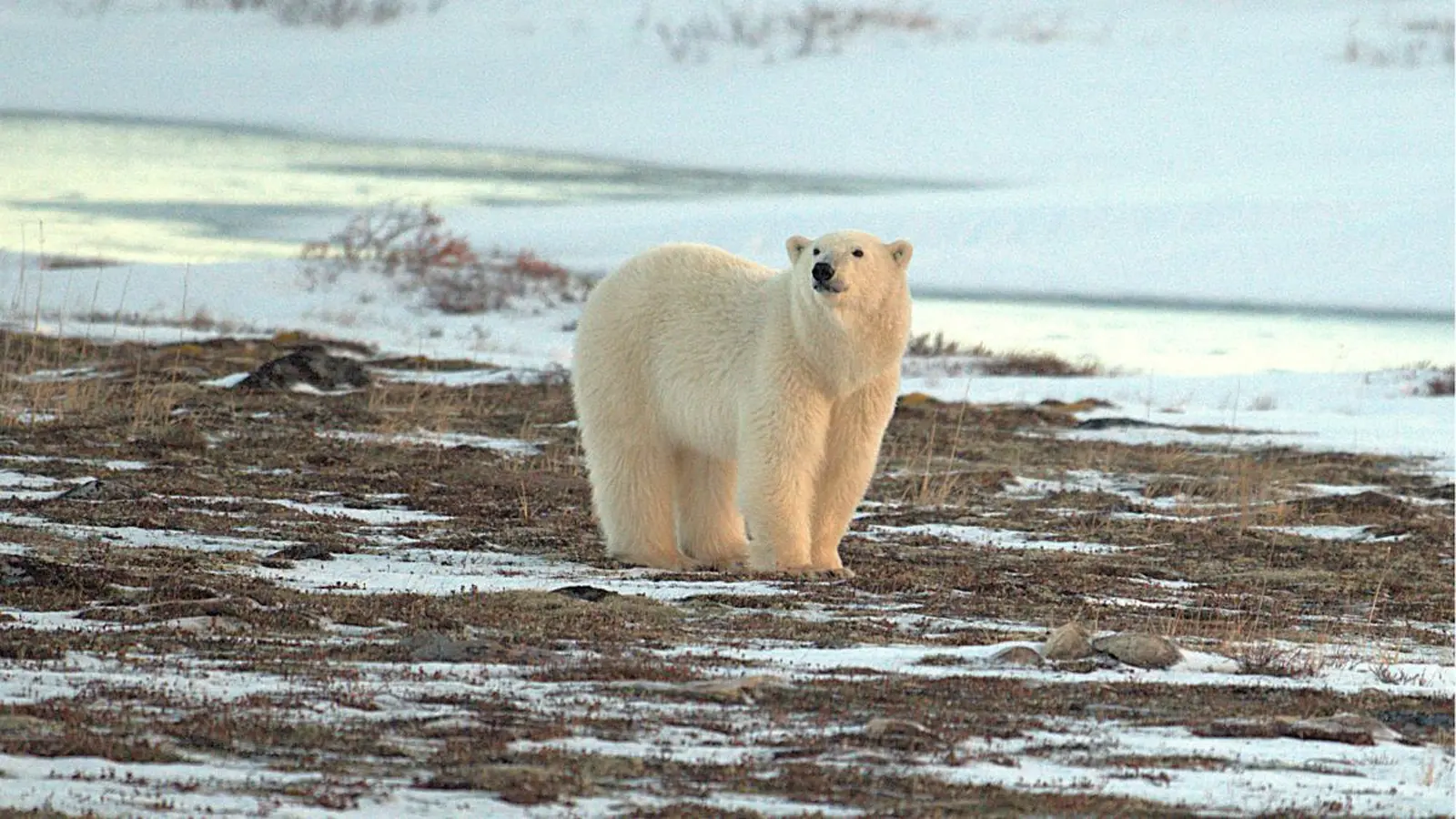
The Arctic is warming far faster than the global average, and scientists are now linking extreme weather events to a widespread decline in plant life across the region. New research, published in Science Advances, identifies heatwaves, drought and other climate extremes as major triggers of so-called "Arctic browning" — a growing loss of vegetation that reshapes habitat, food webs and the region's carbon balance.
Why the Arctic is changing faster than the rest of the planet
Polar amplification, shrinking sea ice and shifting atmospheric patterns combine to make the Arctic especially sensitive to warming. As temperatures rise, periods of unusually warm and dry weather are becoming more frequent and intense. These extremes stress mosses, shrubs and ground-layer plants that many Arctic animals depend on for food and shelter.
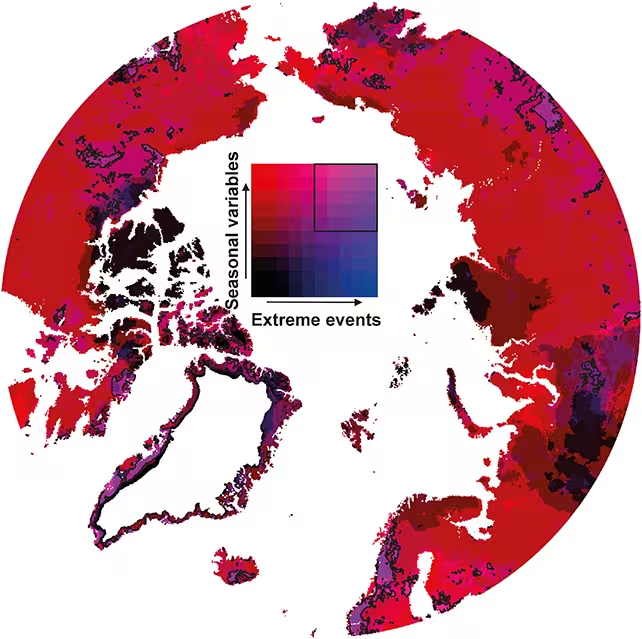
Arctic browning: more than just a change in color
Scientists use "Arctic browning" to describe the observable loss or decline of vegetation cover and vigor. Unlike gradual, slow shifts in plant communities, browning is often driven by acute weather events — for example, drought that desiccates plant tissue or warm spells that trigger early snowmelt followed by freezing damage. The study in Science Advances finds these episodic shocks are key drivers of recent browning trends.
Ripple effects on ecosystems and the global carbon cycle
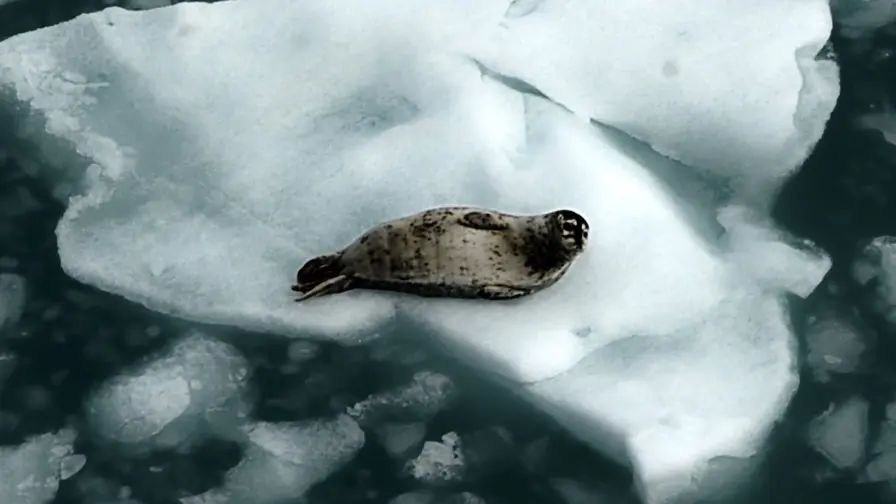
Vegetation loss reduces food availability for herbivores and alters the insulating plant layer that protects permafrost. Less living plant biomass also means reduced carbon uptake during the growing season, while damaged soils and thawing permafrost can release stored carbon back to the atmosphere. In short, browning can both respond to and amplify climate change.
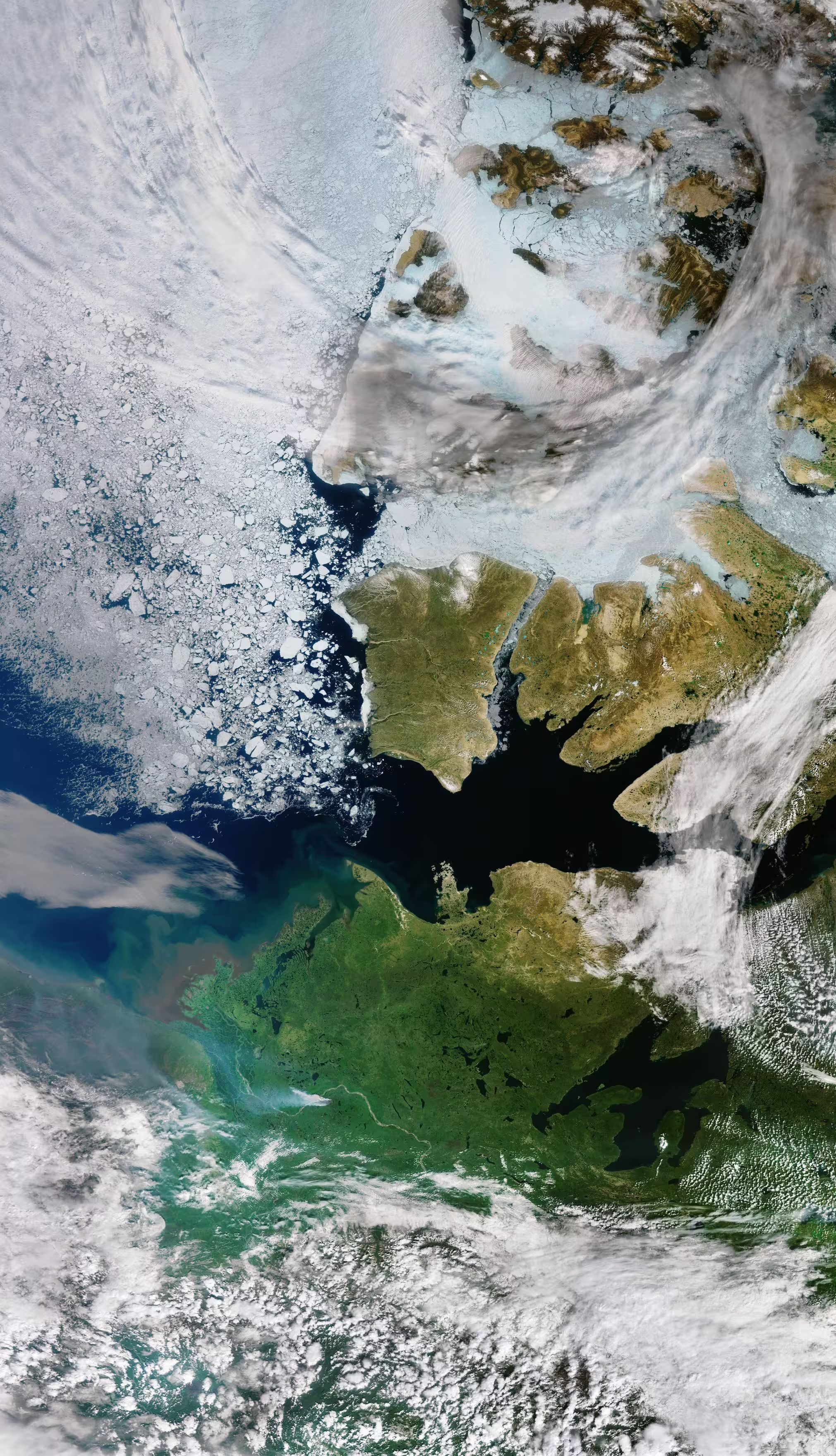
"This finding suggests that as the climate changes, Arctic ecosystems will be increasingly exposed to climate conditions they have never experienced before," says geoscientist Miska Luoto of the University of Helsinki. "This may have significant long-term consequences for Arctic nature."
The new evidence is a reminder that rapid Arctic warming is not only about melting ice — it's reshaping tundra, food chains and the region's role in the global climate system. Researchers stress the need for continued monitoring, improved extreme-event forecasting, and policies that reduce greenhouse gas emissions to limit further damage.










Leave a Comment
Comments
No comments yet. Be the first.