Read More Scince News Health 7 months ago 99% of Heart Attacks and Strokes Tied to Four Risks A study of over 9 million adults in South Korea and the US found 99% of heart attacks and strokes were preceded by one or more modifiable risk factors: high blood pressure, high cholesterol, high blood sugar, or smoking.
Read More Scince News Health 7 months ago Deoxyribose Sugar Gel Sparks Robust Hair Regrowth: New Study Researchers found that a deoxyribose-based sugar gel stimulated strong hair regrowth in mice with testosterone-driven baldness, matching minoxidil’s efficacy and increasing blood vessel density around follicles.
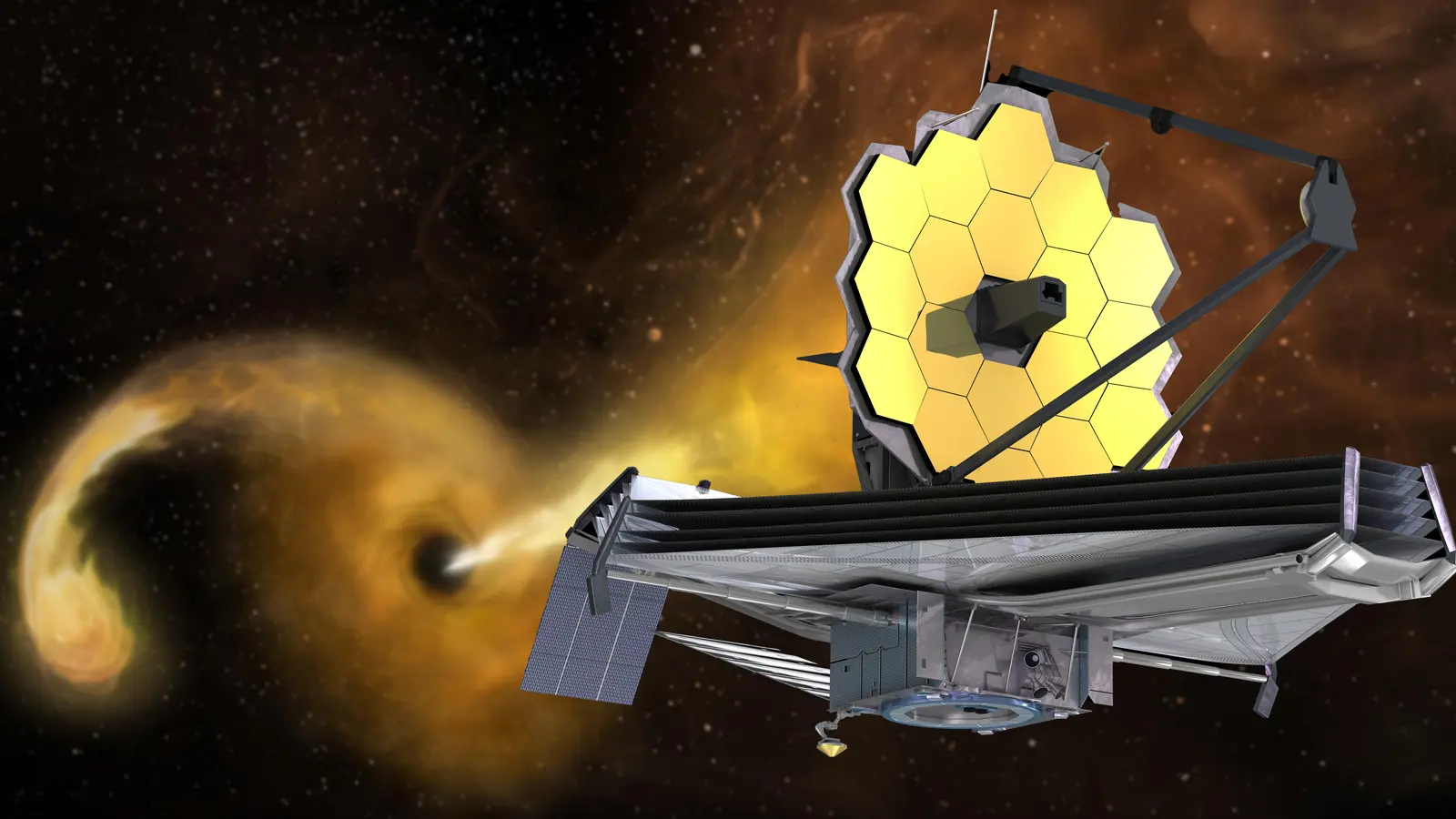
Read More Scince News Space 7 months ago JWST Hints at Supermassive Dark Stars in the Early Universe JWST spectra and morphology reveal four ultra‑distant candidates consistent with supermassive dark stars — hydrogen‑helium objects powered by dark‑matter annihilation — offering clues to early bright sources and supermassive black hole seeds.
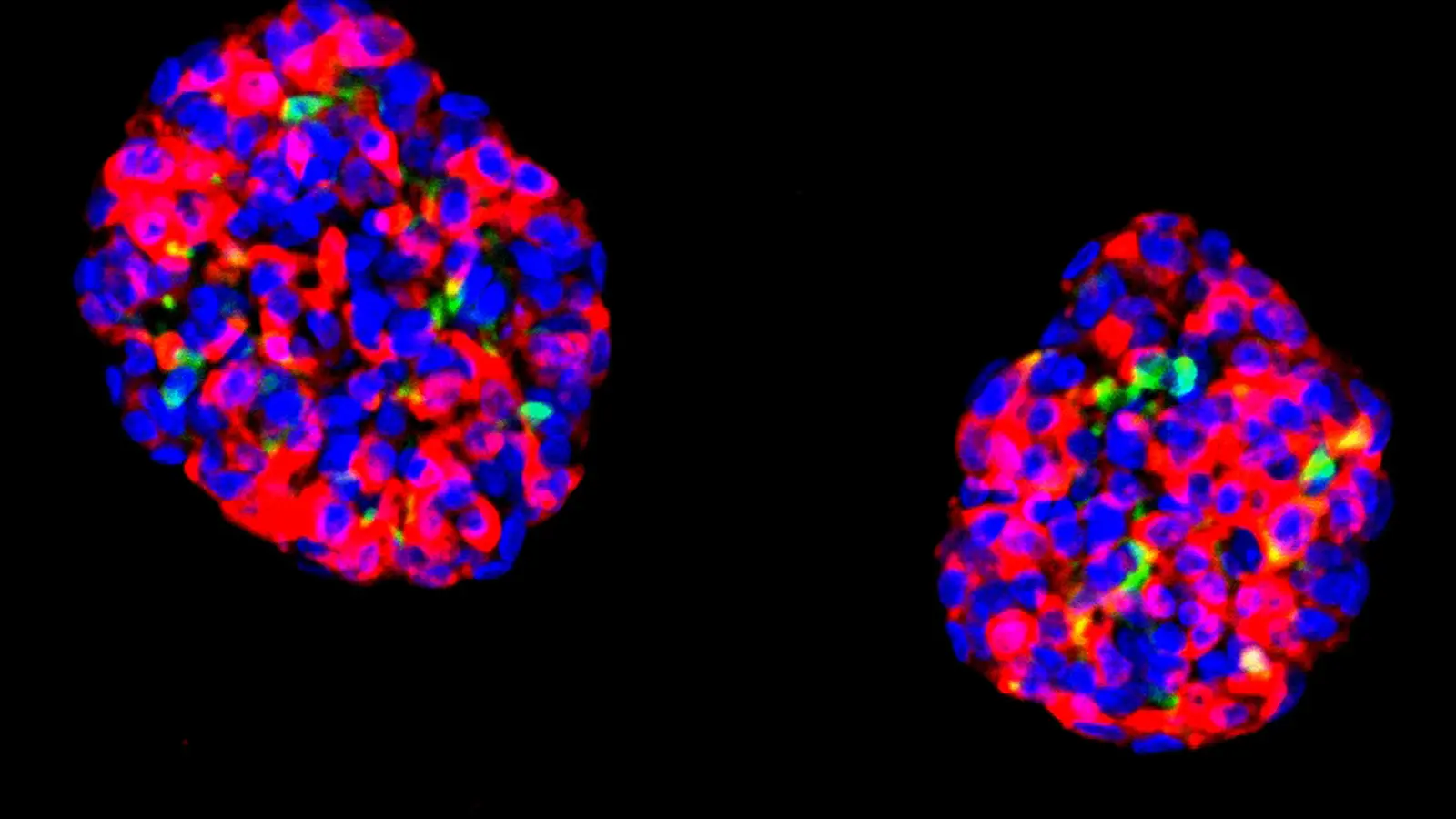
Read More Scince News Health 7 months ago MRAP2 Reveals Brain's Hidden 'Off Switch' for Hunger Researchers reveal MRAP2 as a guide that drives MC4R to the cell surface, strengthening satiety signals. The finding links receptor trafficking to appetite control and suggests new obesity therapies.
Read More Scince News Space 7 months ago Silverpit Impact: North Sea Asteroid and 330-ft Tsunami New research confirms the Silverpit structure beneath the North Sea is a 43–46 million-year-old asteroid impact crater. Seismic imaging, shocked minerals, and modeling reveal a 160 m impactor that likely produced a 100+ m tsunami.
Read More Scince News Scientific 7 months ago 242-Million-Year-Old Fossil Rewrites Lepidosaur Evolution A 242-million-year-old reptile fossil from Devon reveals unexpected skull and tooth traits, showing that early lepidosaur features evolved piecemeal. High-resolution synchrotron scans enabled the discovery.
Read More Scince News Nature 7 months ago Ocean Nutrient Feedbacks Could Trigger Future Ice Ages New Earth System models indicate that nutrient-driven ocean feedbacks — involving phosphorus recycling, oxygen loss, and carbon burial — can overcompensate for warming and may have triggered ancient ice ages, with implications for long-term climate.
Read More Scince News Health 7 months ago A Life Purpose May Cut Dementia Risk, UC Davis Study A UC Davis longitudinal study of 13,765 adults links a stronger sense of purpose to a roughly 28% lower risk of dementia and later cognitive decline, even after accounting for age, education and APOE4 genetic risk.
Read More Scince News Nature 7 months ago Marine Heatwaves Disrupt Ocean Carbon Conveyor Belt New research finds marine heatwaves disrupt the ocean's biological carbon pump, trapping carbon in surface and twilight layers. Autonomous floats and ship surveys reveal how plankton shifts weaken the ocean's capacity to sequester CO2.
Read More Scince News Health 7 months ago Shared Genetic Roots Link Eight Psychiatric Disorders A Cell study maps pleiotropic gene variants that link eight psychiatric disorders, showing how shared genetic regulation during brain development may explain co-occurrence and point to common therapeutic targets.
Read More Scince News Health 7 months ago Decades of Evidence Link Finasteride to Suicide Risk A new review links finasteride—a common hair-loss drug—to increased risks of depression, suicidal ideation, and persistent psychiatric symptoms, urging stronger pharmacovigilance and clearer patient warnings.
Read More Scince News Space 7 months ago Rogue Planet Gorges at Record Six Billion Tonnes Per Second A free-floating planet, Cha 1107-7626, is accreting gas and dust at an unprecedented six billion tonnes per second. New VLT and JWST observations suggest star-like formation processes and strong magnetic funneling.
Read More Scince News Space 7 months ago Why It Rains on the Sun: Elemental Shifts Explain It University of Hawai‘i researchers find that time-varying elemental abundances—especially iron—drive rapid 'solar rain' in flares, improving coronal models and space weather forecasts.
Read More Scince News Scientific 7 months ago 112-Million-Year-Old Insects Found in Ecuador Amber Amber from Ecuador’s Hollín Formation has yielded 112-million-year-old insects and plant remains. The discovery fills a major southern-hemisphere gap in the Cretaceous fossil record and reveals ancient Gondwana forest ecology.
Read More Scince News Space 7 months ago Hubble Reveals NGC 6000: Old and New Stars in Color Hubble’s image of spiral galaxy NGC 6000 (102 million ly away) shows an older golden core and bright blue star‑forming arms, plus supernova echoes and colored asteroid streaks from multi‑filter exposures.
Read More Scince News Space 7 months ago Moon's Two Faces: Far Side's Cooler Deep Mantle Revealed Analysis of Chang'e 6 lunar samples reveals the Moon's far side formed from magma about 70–100 °C cooler than the near side, implying a deep thermal asymmetry linked to uneven heat-producing elements and early impacts.
Read More Scince News Health 7 months ago Nicotinamide Cuts Skin Cancer Recurrence Risk by 54% A large VA analysis of 33,833 patients finds that nicotinamide (vitamin B3) taken at 500 mg twice daily may lower the risk of subsequent basal cell and squamous cell carcinomas—up to 54% when started after a first skin cancer.
Read More Scince News Health 7 months ago Rethinking Lymph Node Removal in Cancer Surgery Today New laboratory research suggests lymph nodes do more than stage cancer — they sustain anti-tumour immune cells. This article reviews risks and benefits of lymph node removal and emerging immune-preserving surgical strategies.
Read More Scince Health Editor's choice 7 months ago Large Study Links Viral Infections to Alzheimer's Risk A large retrospective analysis of nearly 500,000 medical records found repeated links between serious viral infections—such as encephalitis, pneumonia, and shingles—and elevated risk of Alzheimer's and other neurodegenerative diseases.
Read More Scince News Space 7 months ago NASA's ESCAPADE Heads to Mars on Blue Origin New Glenn NASA's ESCAPADE twin-spacecraft mission will launch to Mars on Blue Origin's New Glenn in fall 2025 to study solar wind-driven atmospheric escape and the Martian plasma environment.