Read More Scince News Health a month ago Why Millions of Your Mother's Cells Live Inside You New research shows a tiny subset of maternal immune cells that cross the placenta actively train a fetus's immune system to tolerate maternal cells for life, shedding light on microchimerism and disease links.
Read More Scince News Health a month ago How Fasting Rewires Aging Muscles Differently by Sex New research shows calorie restriction rewires aging muscle proteins and boosts insulin sensitivity, but males and females achieve these benefits through different molecular pathways and protein targets.
Read More Scince News Health a month ago Sensory Switches: How Touch Cancels Lifespan Boosts Researchers discovered that touch and other sensory cues can deactivate a longevity gene (fmo-2) in C. elegans, cancelling lifespan benefits of dietary restriction and producing behavioral changes linked to metabolism.
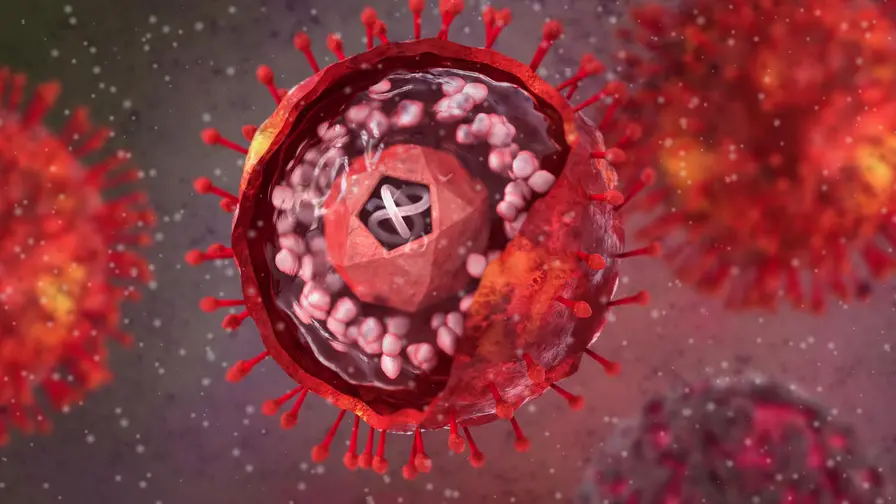
Read More Scince News Health Editor's choice a month ago COVID mRNA Vaccines May Boost Immunotherapy Survival Observational data from UF and MD Anderson suggest COVID-19 mRNA vaccines given near the start of immunotherapy may extend survival in advanced lung cancer and melanoma. Trials are planned.
Read More Scince News Scientific a month ago Femtosecond UV-C Lasers: Fast Free‑Space Optical Messaging Researchers have combined efficient cascaded nonlinear UV-C generation with atomically thin 2D semiconductor detectors to create and decode femtosecond UV-C pulses, enabling free-space, obstacle-tolerant optical communication and new ultrafast photonics.
Read More Scince News Health a month ago Silencing Oral Bacterial Talk to Prevent Tooth Decay Researchers show that blocking bacterial quorum sensing in the mouth can shift dental plaque toward healthier microbes, offering a targeted strategy to reduce tooth decay and periodontal disease risk.
Read More Scince News Health a month ago Gut Bacteria May Drive Bipolar Depression, Mouse Study Shows A Zhejiang University study finds that fecal transplants from people in bipolar depression change mouse behavior and brain connectivity. Lithium, not fluoxetine, reversed symptoms, implicating gut microbes in mood circuitry.
Read More Scince News General info a month ago Why We Blush: The Hidden Social Signal Behind Red Faces Blushing is more than embarrassment. This article explains the physiology, evolutionary role, and social meaning of blushing, plus when medical evaluation or therapy may be needed.
Read More Scince News Health a month ago Rebalancing One Amygdala Circuit Reverses Anxiety in Mice Researchers show that restoring balance in a tiny amygdala microcircuit reverses anxiety and social withdrawal in mice, revealing a precise neural target that could inform future circuit-based therapies.
Read More Scince News Space a month ago Can Asteroid Mining Become a Real Source of Resources? A new ICE-CSIC study uses mass spectrometry of carbonaceous chondrite samples to reassess which asteroids are promising for resource extraction, highlighting water-rich and olivine/spinel-rich targets and outlining technical hurdles.
Read More Scince News Scientific a month ago How a 250-Million-Year-Old Fossil Rewrote Mammal Hearing New CT-based biomechanical models indicate Thrinaxodon, a 250-million-year-old cynodont, likely possessed an eardrum for airborne hearing, pushing the origin of mammal-like hearing back by ~50 million years.
Read More Scince News Health a month ago Hidden Breathing Problems May Worsen Chronic Fatigue New research finds that hidden dysfunctional breathing and hyperventilation are common in chronic fatigue syndrome and may worsen exhaustion and post-exertional malaise. Treatment-focused breathing retraining could help.
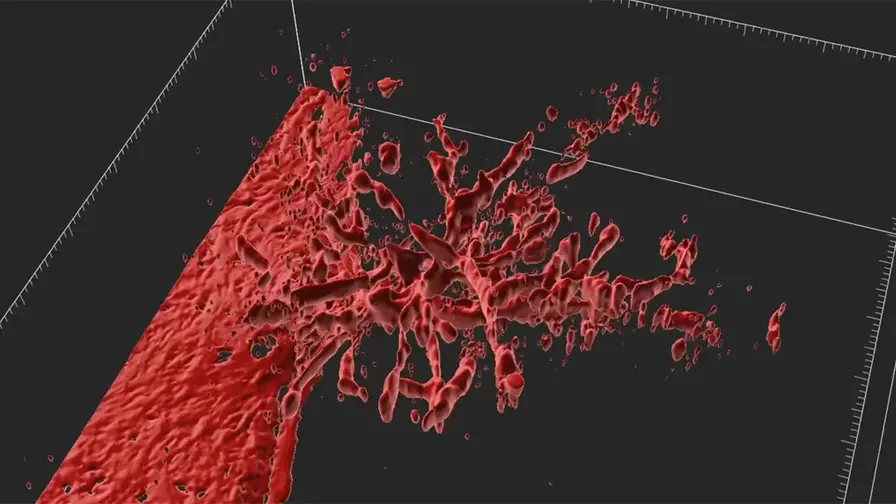
Read More Scince News Scientific a month ago Turning Off an Immune Switch to Prevent Chemo Nerve Pain New research shows chemotherapy-triggered immune stress — via the IRE1α-XBP1 pathway — can cause nerve damage. Blocking that immune alarm may prevent painful neuropathy and help patients complete treatment.
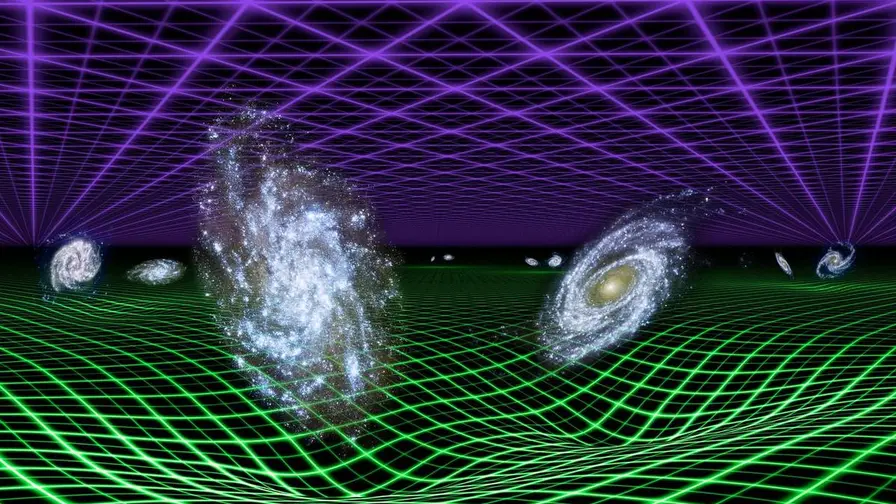
Read More Scince News Scientific a month ago EAST’s Breakthrough: Beating Plasma Density Limits China's EAST tokamak exceeded a long-standing plasma density limit by controlling wall impurities, especially tungsten, using a new PWSO model and modified heating/startup methods. Findings published in Science Advances.
Read More Scince News Space a month ago Why the Giant Green Bank Telescope Found 3I - ATLAS Silent Breakthrough Listen used the 100-m Green Bank Telescope to scan interstellar comet 3I/ATLAS for radio technosignatures. The five-hour observation found only terrestrial interference, reinforcing the comet's natural origin.
Read More Scince News Health a month ago Can Theobromine in Dark Chocolate Slow Biological Aging? A King’s College London study links blood theobromine—an alkaloid in dark chocolate—to DNA-based markers of slower biological aging, highlighting potential diet-epigenome interactions while urging caution.
Read More Scince News Space a month ago Astronomers Measure a Rogue Planet’s Mass and Distance Astronomers used coordinated ground and Gaia observations to measure both the mass and distance of a rogue planet. The planet is ~22% of Jupiter's mass and lies about 9,785 light-years away.
Read More Scince News Health a month ago A Safer Path to Restore Brain Energy: P7C3-A20 and NAD+ Researchers propose a safer way to restore brain energy using P7C3-A20, which maintains NAD+ balance without risky spikes from supplements. Next steps include targeted lab work and clinical trials.
Read More Scince News Space a month ago Seven-Hour Gamma-Ray Burst Shakes Astronomers' Models A record-setting gamma-ray burst, GRB 250702B, lasted nearly seven hours and challenges current models. Multiwavelength follow-up tied the burst to a dusty galaxy and launched new questions about GRB origins.
Read More Scince News Health a month ago Massive Vector Reduction Enables Cheaper CAR‑NK Therapy A new method cuts viral-vector needs for CAR-engineered iNK cells by orders of magnitude while keeping strong anti-tumor activity in CDX and PDX B-ALL models, promising cheaper, scalable cell therapies.